
Photo by Pixabay on Pexels.com
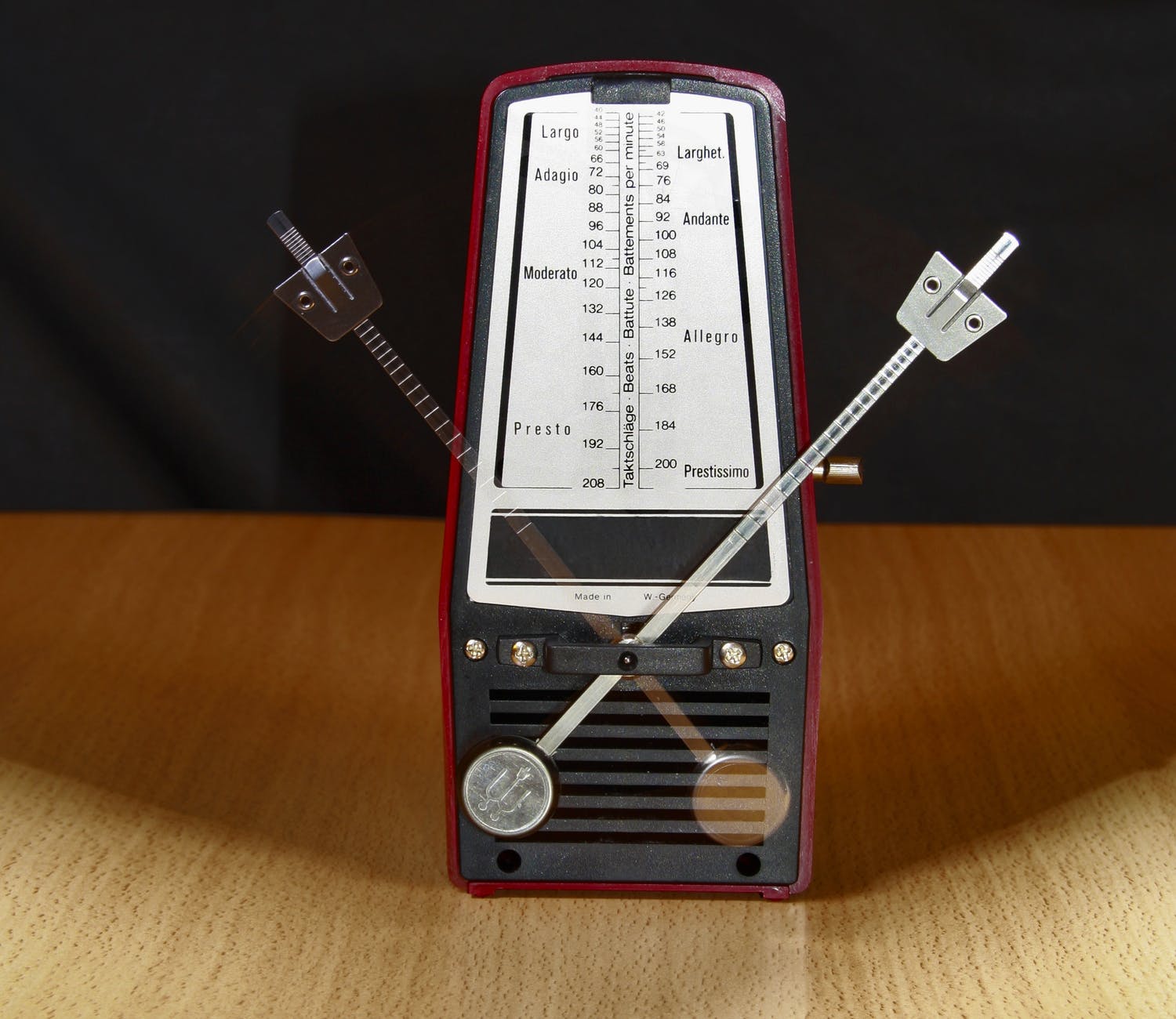
A barometer is an instrument that measures the amount of air pressure in the environment. A narcometer is an instrument I use to measure the amount of narcissists (narcs) in my life and the amount of pressure each narc is adding to it. I created the narcometer myself. It’s not a tangible instrument. If I could create one, I would market that baby for ongoing cashflow.
My actual narcometer is my intuition, and when my intuition is heightened for any reason, all I need to do is look around me. There is sure to be a toxic reason. Usually that reason is because a narc is wreaking some kind of havoc in my life. My current status has my narcometer at a rising temperature because I am currently dealing with four toxic individuals – two definite narcs, one could-be-a narc, and one has-a-lot of narc tendencies.
In my grad studies for abnormal psychology I learned that for every 16 people, one person has narcissistic personality disorder (NPD). I recall this information being based on a representative sample, and in that representative sample, the people were clinically diagnosed with NPD. One person out of 16 people with NPD might seem like a relatively small amount, but if you’ve ever dealt with one narcissist, then you know that relatively one person with NPD is all you might be capable of dealing with anyway. Imagine dealing with more than one narc at a time! That’s definitely a “no thanks”, but some of us aren’t that lucky.
I don’t use the word narcissism lightly. I realize that “narcissism” is a common catch phrase as of late. It’s to the point where anyone might be labeled a narcissist and that not even be the case. Even my own current status of having four possible narcs wreaking havoc in my life is a bit much. Well … it is too much. Yet, I believe experience has taught me a lot when dealing with toxic individuals especially where dealing with personality disorders are concerned. I aced my abnormal psych classes, and when critiqued for a personal experience assignment on NPD, my professor wanted me to consider publishing my paper because I had provided her with what she called “accurate real life case studies”. Like really? What’s more accurate than real life experience?
Clinicians assess a person as having NPD based on the criteria that the person presents that aligns with what is clinically used to assess them, and that’s the Diagnostic and Statistical Manual of Mental Disorders (DSM-5). I’m not a licensed clinician, though, but I know enough to protect myself by making assessments regarding the people that I interact with on a regular basis – particularly those with whom I will maintain relationships. The DSM-5 is usually my second resort. My first resort is always my internal narcometer. It’s taken me a while to get to this place, but now if I get even a smidgeon of an elevated sense on my narcometer that something is off about a person, I stay on high alert. I can never be too careful since narcs have always been a prevalent part of my life. Too bad these alerts don’t happen as quickly as I’d like them to because by the time I’ve figured out a person is a narc {even after checking the criteria from the DSM-5}, I’m already in too deep, and I spend tireless hours trying to dislodge the narc from my life.
 My Voice Unchained