
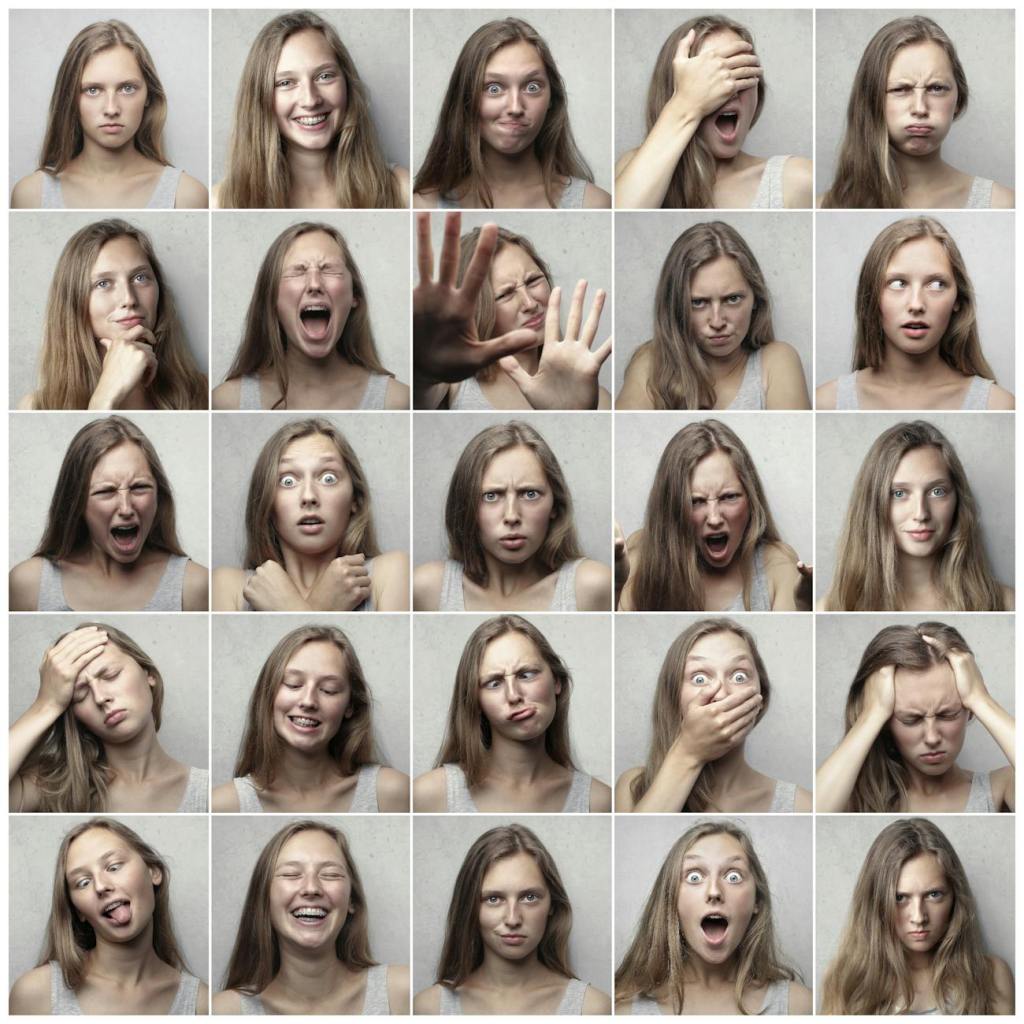
Micro-expressions are brief, involuntary facial expressions that occur within a fraction of a second and reveal a person’s true emotions or feelings. These expressions are fleeting and often go unnoticed in regular social interactions, but they can provide valuable insight into a person’s underlying emotional state.
Here are some key characteristics of micro-expressions:
- Involuntary: Micro-expressions occur spontaneously and involuntarily in response to a person’s genuine emotions or feelings. They are typically outside of conscious control, making them difficult to conceal.
- Brief Duration: Micro-expressions last for a very short duration, typically ranging from 1/25th to 1/15th of a second. Due to their fleeting nature, they can be challenging to detect without specialized training or observation skills.
- Universal Expressions: Micro-expressions often correspond to the seven universal emotions: happiness, sadness, fear, anger, surprise, disgust, and contempt. Regardless of cultural or social background, these emotions are expressed through similar facial muscle movements.
- Subtle Movements: Micro-expressions involve subtle movements of facial muscles, such as changes in the eyebrows, eyes, mouth, or nose. These movements may be slight and difficult to perceive without careful observation.
- Spontaneous Occurrence: Micro-expressions typically occur in response to spontaneous or genuine emotions, rather than deliberate attempts to deceive or manipulate others. They may occur in high-stakes situations, during moments of stress, or when emotions are particularly intense.
- Nonverbal Communication: Micro-expressions provide important nonverbal cues that complement verbal communication. They can reveal underlying emotions, attitudes, or intentions that may not be explicitly expressed through words.
Understanding micro-expressions can be valuable in various contexts, including interpersonal relationships, negotiations, interviews, and law enforcement. By recognizing and interpreting these subtle facial cues, individuals can gain deeper insight into the emotions and intentions of others, enhancing communication and interpersonal understanding.
 My Voice Unchained