
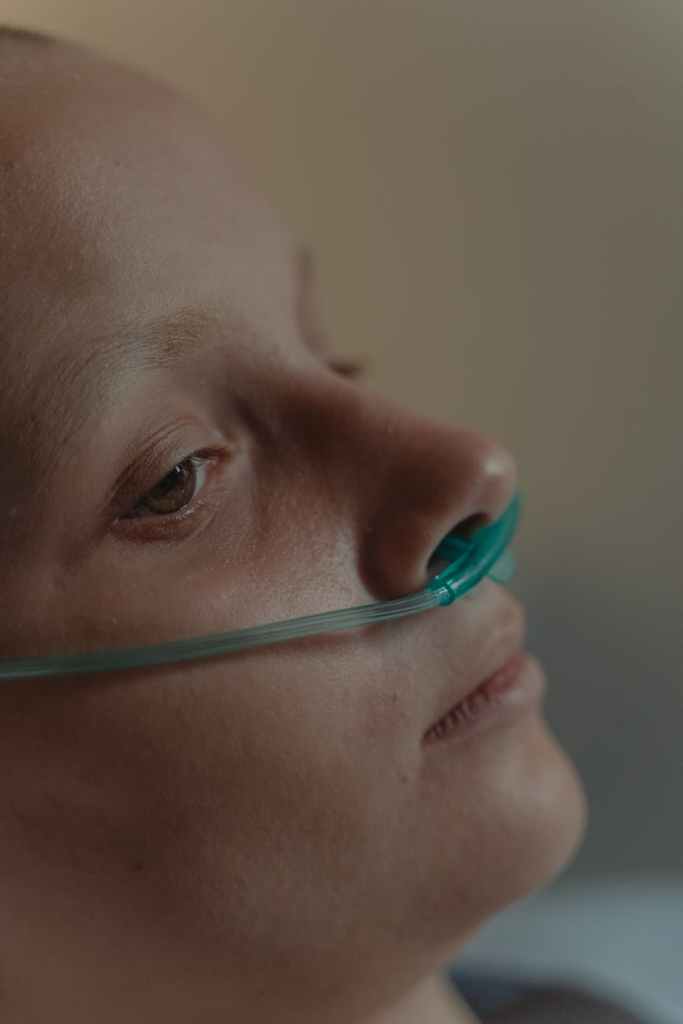
Deciding how to handle contact with a narcissist who has become ill can be challenging, especially if you’ve chosen to maintain a no-contact boundary. Here are some steps you might consider:
- Assess your own feelings: Take some time to reflect on your own emotions and motivations. Consider whether you feel any obligation or responsibility to reach out, and whether doing so aligns with your own well-being and boundaries.
- Evaluate the situation: Assess the seriousness of the illness and whether your involvement is truly necessary. Sometimes, family members or other individuals may be available to provide support, alleviating the need for your direct involvement.
- Set clear boundaries: If you decide to maintain no contact, it’s important to communicate your decision firmly and respectfully. You can express your well wishes for their recovery while also reiterating your boundary around contact.
- Consider indirect forms of support: If you’re uncomfortable with direct contact but still want to offer support, consider indirect methods such as sending a card or arranging for assistance through other family members or friends.
- Seek support for yourself: Dealing with the illness of a family member, especially one with whom you have a difficult relationship, can be emotionally challenging. Consider reaching out to a therapist or support group to help you navigate your feelings and decisions.
Ultimately, the decision of whether to break no-contact with a narcissistic individual who is ill is a personal one, and there’s no one-size-fits-all answer. It’s important to prioritize your own well-being and boundaries while also considering the circumstances and your relationship with the individual in question.
 My Voice Unchained