
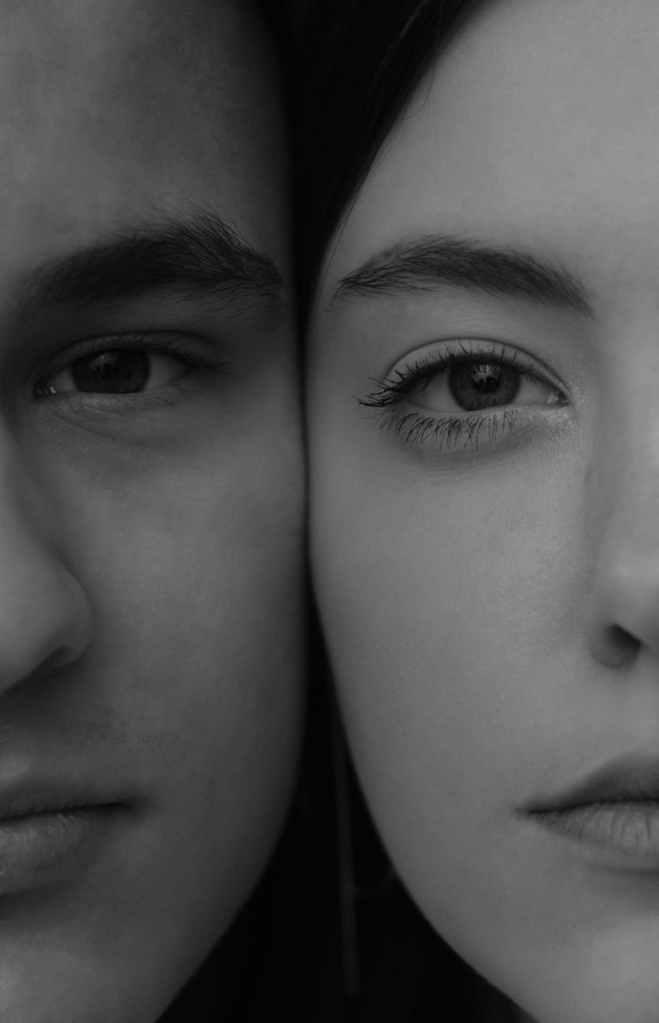
“Snide looks” or “snide glances” are expressions or glances that convey disdain, contempt, or disapproval in a subtle, often sarcastic or mocking manner. These looks or glances are usually given in a way that is intended to be hurtful or dismissive without being overtly confrontational.
For example, if someone makes a snide comment about your work and then gives you a look that says they think very little of your efforts, that would be considered a snide look. It’s a way of silently communicating negative judgment.
When two people exchange snide looks directed at you that you weren’t intended to see, but you catch their micro-expressions, it can be a hurtful and uncomfortable experience. These snide looks are non-verbal cues that indicate they might be sharing a negative opinion or judgment about you.
Micro-expressions are fleeting, involuntary facial expressions that reveal true emotions, even if only for a brief moment. Catching such looks can make you feel self-conscious or anxious because it suggests that others might be talking about you or judging you behind your back.
Here are a few steps you can take if you find yourself in this situation:
- Stay Calm: Don’t immediately react or confront them, as this can escalate the situation.
- Reflect: Consider if there is any reason they might be behaving this way. Is there any recent interaction or situation that might have caused this?
- Observe: Keep an eye on their behavior to see if this is a recurring issue or a one-time occurrence.
- Address It If Necessary: If it continues to bother you, consider addressing it directly but calmly. You could ask if there is something you need to discuss or if there are any issues that need to be resolved.
- Focus on Yourself: Sometimes, people’s negative behavior is more about them than you. Focus on maintaining your own professionalism and self-worth.
- Seek Support: If it becomes a frequent problem affecting your well-being, talk to a trusted friend, colleague, or supervisor for support and advice.
In any case, remember that you have the right to a respectful and supportive environment.
 My Voice Unchained