
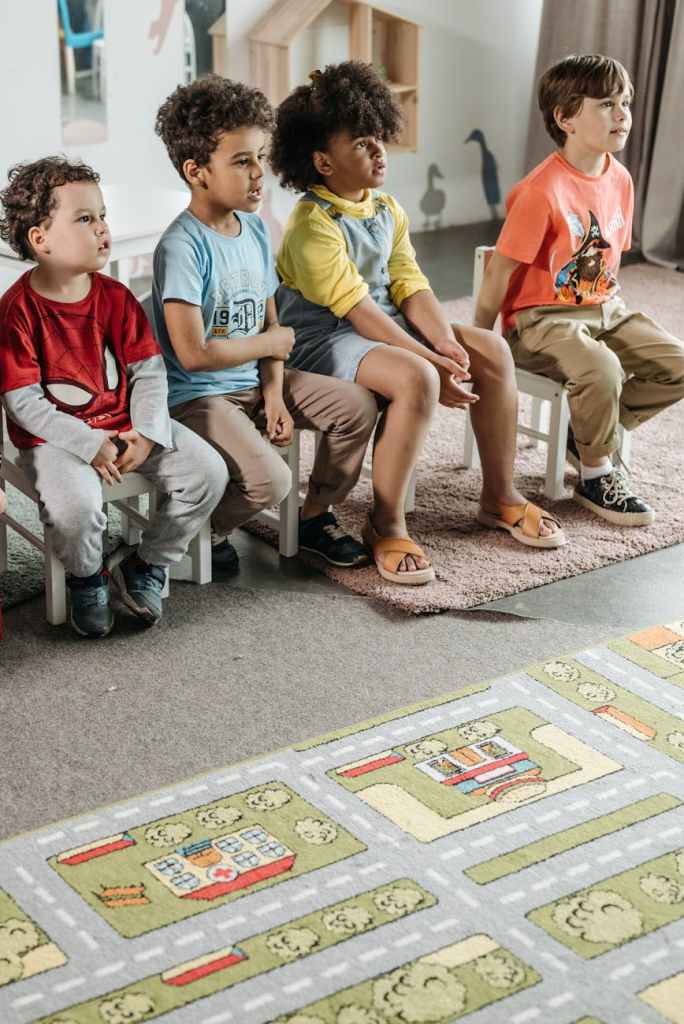
The development of narcissism, particularly Narcissistic Personality Disorder (NPD), is complex and influenced by a combination of factors, including childhood trauma, genetics, environment, and individual personality traits. In some cases, a person’s early life may have been marked by abandonment and abuse, which can deeply affect how a child develops a sense of self and their ability to relate to others.
However, not all children who endure similar traumas become narcissists, and the reasons for this can vary:
- Coping Mechanisms: Some children develop narcissistic traits as a way of coping with early trauma, using grandiosity and a sense of superiority to defend against feelings of shame, worthlessness, or insecurity. In these cases, narcissism becomes a protective shield against their vulnerability.
- Attachment Issues: Children who experience abandonment or inconsistent caregiving might not develop healthy attachments. In some cases, this can lead to narcissistic behaviors, as they struggle to trust others and instead rely on self-importance or manipulation to meet their needs.
- Genetic Predisposition: There is some evidence that narcissistic traits may be inherited. Even if two children experience the same trauma, one might be more predisposed to developing narcissism because of genetic factors that make them more sensitive to certain types of emotional pain or stress.
- Role of the Environment: The environment beyond the immediate trauma also plays a role. Supportive relationships, counseling, or even just having one stable figure in their life can make a significant difference in how a child recovers from trauma. Some children have protective factors, such as a mentor or a relative who provides love and stability, helping them build resilience.
- Personal Resilience: Some individuals are naturally more resilient and able to process trauma without developing maladaptive coping mechanisms. This can depend on their temperament, self-awareness, or ability to find positive outlets for their emotions, such as art, friendships, or therapy.
- Validation and Attention: For some who become narcissistic, a lack of validation and positive reinforcement in childhood may drive a need for constant admiration in adulthood. Conversely, some who receive excessive praise without appropriate boundaries may also develop narcissistic tendencies.
In essence, while trauma can set the stage for narcissistic behavior, it’s not the sole cause. The way a child is supported, their genetic makeup, and their individual coping mechanisms all play a part in determining whether they become narcissistic or develop healthier ways of dealing with their emotional pain. The variability in outcomes between individuals speaks to the complexity of human development.
 My Voice Unchained