
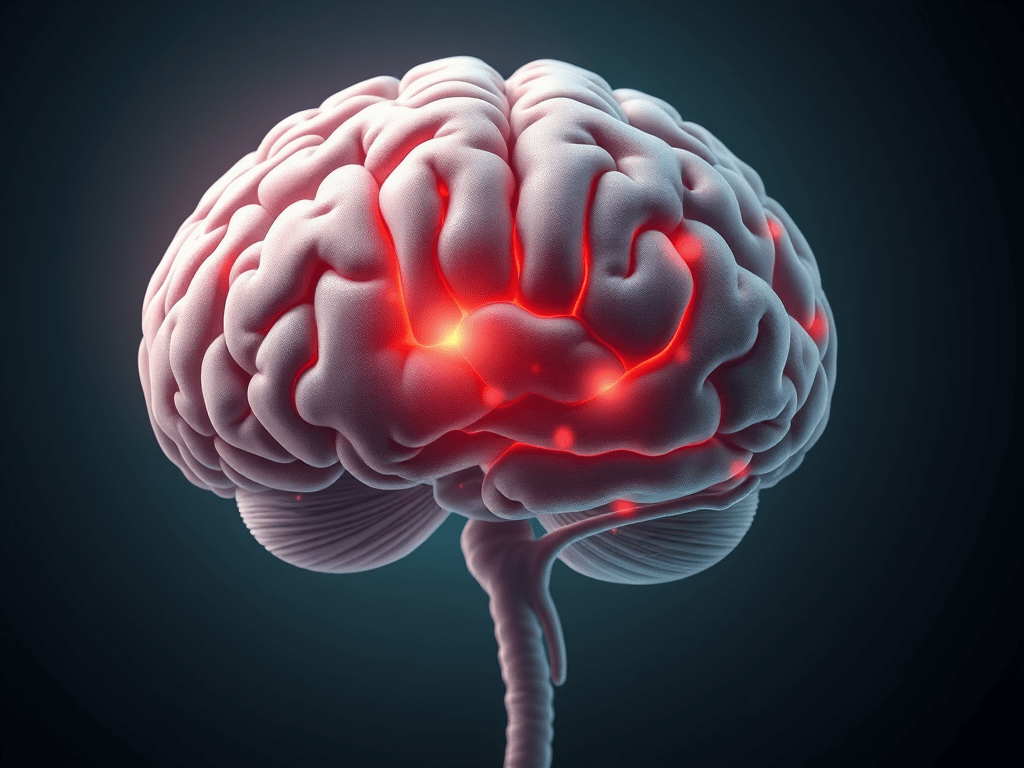
Narcissistic abuse doesn’t leave bruises. It leaves confusion, self-doubt, and a nervous system stuck in overdrive. While it’s often invisible to outsiders, its effects on the brain are deep, lasting, and very real—especially in environments where power dynamics and emotional manipulation thrive: the workplace, close relationships, and families.
Let’s break down how narcissistic abuse actually affects brain function—and why survivors often struggle long after the abuse ends.
The Neuroscience of Narcissistic Abuse: What Happens in Your Brain
Narcissistic abuse is chronic psychological stress. It can trigger a form of complex PTSD—a response to ongoing emotional trauma where the brain gets caught in a cycle of hypervigilance, anxiety, and emotional dysregulation.
Here’s what happens biologically:
- Amygdala (your threat detector): Becomes overactive. Even small signs of conflict feel like danger. You’re constantly scanning for signs of manipulation or betrayal.
- Hippocampus (your memory filter): Shrinks or malfunctions. This affects your ability to differentiate past from present threats and distorts emotional memory. You may forget your own version of events or question your recollections.
- Prefrontal Cortex (your logic center): Becomes underactive. This impairs decision-making and concentration. You feel foggy, indecisive, and mentally exhausted.
In short: narcissistic abuse rewires your brain to survive, not thrive. And that rewiring bleeds into every part of life.
In the Workplace: Doubt, Deference, and Burnout
Victims of narcissistic abuse often carry the scars into professional settings, even if the abuse happened years ago—or is still happening at work.
Common effects:
- Hyper-compliance: You second-guess your instincts, over-apologize, or fear taking initiative.
- Impaired boundaries: You struggle to say “no” or push back, especially against authority figures.
- Overdrive mode: You work harder and longer to prove your worth, avoid criticism, or keep the peace.
- Cognitive fog: Meetings, deadlines, or multitasking become overwhelming. Your confidence tanks.
If your boss or colleague is the narcissistic abuser, these effects are amplified. You may feel isolated, mischaracterized, or stuck in a loop of trying to “fix” yourself instead of recognizing the toxic system around you.
In Relationships: Attachment Confusion and People-Pleasing
Narcissistic abuse distorts how you give and receive love. If it happened in a romantic relationship or a close friendship, it can warp your sense of safety and connection.
You may notice:
- Attachment swings: You either cling tightly or keep your guard up, fearing abandonment or exploitation.
- Fawn response: You default to pleasing others, even at the expense of your own needs.
- Love-bombing sensitivity: You mistake intensity for intimacy. Flattery feels like safety—until it doesn’t.
- Self-erasure: You lose your sense of identity trying to meet someone else’s expectations or moods.
Your nervous system gets trained to see chaos as normal and calm as suspicious. Healthy relationships feel boring—or even threatening—until healing begins.
In Families: Conditioning, Cycles, and Survival Roles
When narcissistic abuse happens in a family—especially from a parent—it creates long-term developmental and emotional damage. It also teaches dysfunctional survival roles that can haunt you into adulthood.
Common patterns:
- Parentification: You were the caretaker, peacekeeper, or emotional regulator for your parent.
- Golden child/scapegoat dynamics: Family roles were rigid, unfair, and designed to protect the narcissist’s ego.
- Gaslighting upbringing: You were trained to question your feelings, perceptions, and worth.
- Chronic guilt or shame: You internalized that you’re “too sensitive,” “selfish,” or “never enough.”
This doesn’t just affect your present—it warps how you see yourself. Even after cutting contact, the inner critic often mimics the narcissist’s voice.
So What Can You Do? Rewiring for Recovery
The good news: brains are resilient. Neuroplasticity means you can rewire the damage—slowly, deliberately, and with the right tools.
Steps toward healing:
- Therapy that understands narcissistic abuse. Look for trauma-informed or CPTSD-aware professionals.
- Somatic work. Techniques like EMDR or breathwork help calm the amygdala and restore a sense of safety.
- Journaling and boundary tracking. Writing helps reclaim your narrative and rebuild cognitive function.
- Safe relationships. Healing often starts in connection—not isolation. Surround yourself with people who respect your no and honor your truth.
- Naming the abuse. Gaslighting thrives in confusion. Clarity is resistance.
Final Word: It’s Not in Your Head—It’s On Your Brain
Narcissistic abuse isn’t just emotional—it’s neurological. The confusion, fatigue, and reactivity you feel aren’t character flaws; they’re survival adaptations. You didn’t imagine it. You adapted to it. And now, with time and support, you can recover from it.
Because healing doesn’t mean forgetting. It means reclaiming your brain—and your life—from those who hijacked it.
 My Voice Unchained